In 2026, the National Health Service (NHS) stands at the forefront of a digital revolution. Once burdened by long waiting lists, administrative overload, and rising demand from an ageing population, the NHS is now harnessing artificial intelligence (AI) not as a futuristic experiment but as a core operational enabler. Under the UK government’s 10-Year Health Plan for England – Fit for the Future – AI is seamlessly integrated into clinical pathways, driving three major shifts: from hospital to community care, from analogue to digital systems, and from treating sickness to preventing it.
This transformation is already delivering measurable gains. Ambient AI scribes are freeing clinicians from hours of paperwork, predictive analytics are spotting risks before symptoms appear, and virtual assistants are handling routine patient interactions. The NHS AI strategic roadmap (2025–2028) and the forthcoming Medicines and Healthcare products Regulatory Agency (MHRA) regulatory framework for AI medical devices are providing the governance backbone needed for safe, scalable adoption.
For Carmatec Digital UK, a London-based leader in AI consulting and enterprise digital transformation, this moment represents both opportunity and responsibility. With over two decades of global expertise in AI/ML solutions, secure cloud migration, data consulting, data analytics, and cybersecurity, Carmatec partners with NHS trusts and integrated care boards (ICBs) to design, implement, and optimise AI systems that are reliable, compliant, and patient-centred. This article explores how AI is reshaping NHS services in 2026 – from frontline diagnostics to back-office efficiency – and how specialist digital partners are turning ambition into reality.
The NHS in 2026: Pressures and the AI Imperative
The NHS continues to face unprecedented challenges. Elective care backlogs, workforce shortages, rising chronic disease prevalence, and an ageing population stretch resources to the limit. Traditional models – paper-based records, siloed data, and manual triage – simply cannot scale.
Enter AI: a technology that analyses vast datasets in seconds, automates repetitive tasks, and augments human expertise without replacing it.
By early 2026, AI has moved beyond pilots. The NHS AI Lab’s legacy (2020–2025) has evolved into a national AI knowledge repository, while the Federated Data Platform now incorporates tools like Claude and ChatGPT for real-time querying, summarisation, and insight generation. Neighbourhood Health Guidelines (2025–26) emphasise data interoperability and community-centred services, aligning perfectly with AI’s strengths in population health management.
Industry leaders describe 2026 as a “pivotal year” – the moment when AI shifts from isolated projects to fully embedded systems. Trusts with strong digital foundations are innovating fastest, while others focus on AI readiness: clean data architecture, governance frameworks, and workforce upskilling.
Government Vision: The 10-Year Health Plan and AI Roadmap
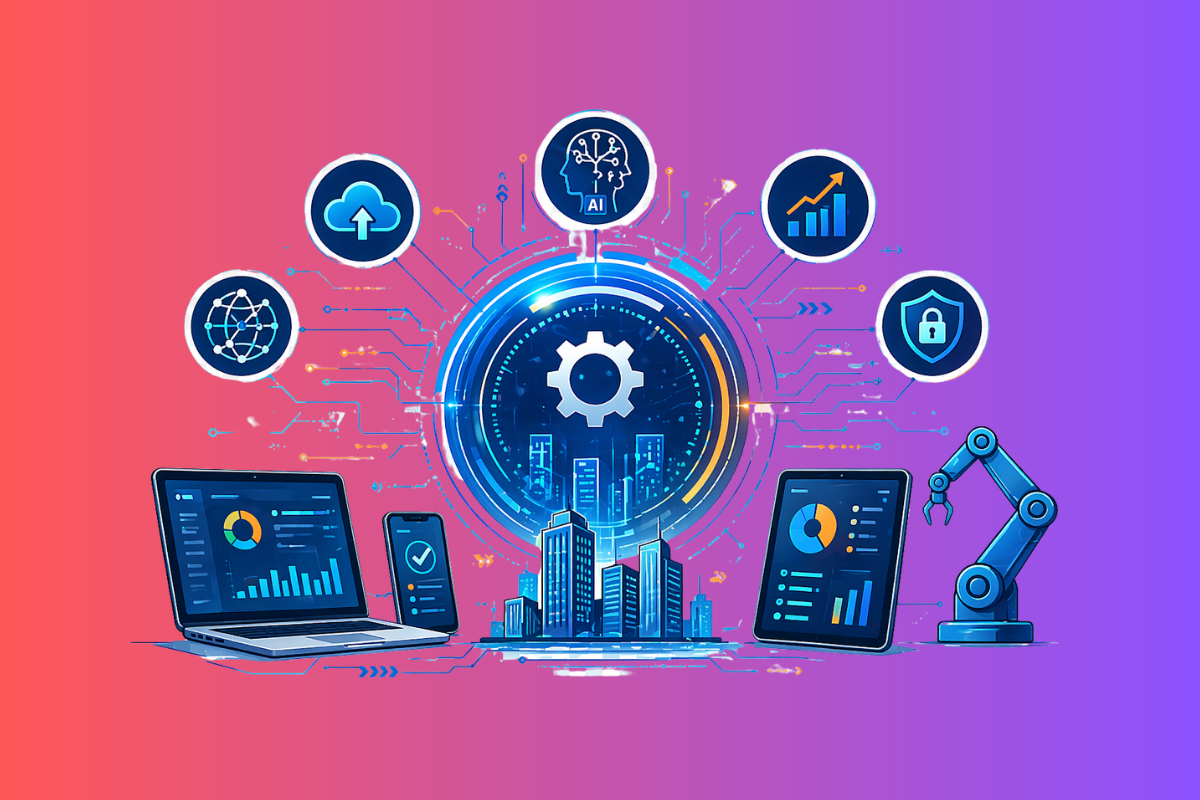
The 10-Year Health Plan explicitly aims to make the NHS “the most AI-enabled care system in the world.” Five “big bets” – data, AI, genomics, wearables, and robotics – underpin this vision. AI is to be woven into routine practice, supporting earlier diagnosis, personalised care, and productivity gains.
Key commitments for 2026 include:
- Publication of the MHRA’s new regulatory framework for AI as medical devices.
- Roll-out of NHS AI upskilling programmes.
- Investment in infrastructure via the NHS AI strategic roadmap (2025–2028).
- Expansion of the Federated Data Platform for secure, interoperable insights.
These policies create a clear pathway: safe experimentation through regulatory sandboxes, ethical governance (DCB0129/DCB0160 standards), and measurable outcomes tied to the three big shifts.
AI in Diagnostics and Clinical Decision Support
One of the most visible transformations is in diagnostics. AI-powered imaging tools now analyse X-rays, CT scans, MRIs, and mammograms with speed and accuracy that rivals – and often exceeds – human review for initial triage. In radiology and pathology, AI flags anomalies, prioritises urgent cases, and reduces reporting backlogs.Skin Analytics, an NHS AI Award winner, uses computer vision for skin cancer risk assessment in primary care, delivering faster, more consistent results. In ophthalmology, AI supports retinal screening; in cardiology, predictive models identify early signs of heart disease from routine ECGs.
Clinical decision support systems (CDS) integrate electronic health records (EHRs), labs, vitals, and genomics to generate risk scores and treatment recommendations. Clinicians receive “second opinions” in real time, reducing diagnostic errors and enabling precision medicine tailored to genetics, lifestyle, and environment.In mental health, AI analyses speech patterns, patient-reported outcomes, and wearable data to detect deterioration early, supporting community-based interventions and reducing hospital admissions.
By 2026, these tools are embedded in core EPR systems rather than standalone apps, delivering seamless workflows. The result? Shorter diagnostic pathways, fewer missed opportunities, and better outcomes for patients with cancer, cardiovascular disease, and chronic conditions.
Operational Efficiency and Administrative Transformation
Administrative burden has long plagued NHS staff. In 2026, ambient AI voice technology has become mainstream. During consultations, AI scribes listen, generate structured notes, draft discharge summaries, and update records – often reducing documentation time by up to 50% in pilots. Clinicians spend more time with patients and less on screens, combating burnout and improving consultation quality.
Agentic AI goes further: these systems handle end-to-end tasks such as updating records, scheduling follow-ups, generating referrals, and even drafting patient letters in plain English. Virtual assistants manage appointment bookings, waiting-list validation, and routine enquiries via the NHS App, cutting inbound calls and no-show rates.Predictive workforce analytics forecast staffing needs, identify absence patterns, and optimise rotas based on actual demand rather than fixed schedules. Trusts using these tools report improved staff retention and reduced agency spend.
Data interoperability remains foundational. The Sussex Integrated Data Set and similar regional platforms enable AI to create single sources of truth, powering real-time dashboards for bed management, theatre utilisation, and supply chains.
Patient-Centric Care and Community Health
AI is democratising access. The NHS App functions as a “ChatGPT-like” companion – offering personalised advice, prescription renewals, symptom checking, and appointment management. Conversational AI in multiple languages and accessible formats ensures digital inclusion, with voice/IVR options for those with low literacy or disabilities.
Remote patient monitoring with AI-powered wearables and virtual wards shifts care closer to home. Algorithms detect early deterioration in conditions like heart failure or COPD, triggering timely interventions and reducing emergency admissions. Hospital-at-home models, supported by AI triage and remote diagnostics, allow faster recovery in familiar surroundings.In primary care, predictive analytics stratify population risk using GP, hospital, and social care data. Practices identify at-risk patients for proactive reviews, while AI chatbots handle low-acuity queries, freeing GPs for complex cases.
Neighbourhood Health models integrate these tools across primary, community, and social care, with shared infrastructure ensuring consistent communication and seamless referrals.
Predictive Analytics, Prevention, and Population Health
Prevention is at the heart of the 10-Year Plan. AI analyses longitudinal data – genetics, wearables, lifestyle, and environmental factors – to predict disease years in advance. Cardiovascular risk tools now move beyond monitoring to personalised interventions. Population health platforms help ICBs pool resources, set shared goals, and track outcomes.
Genomics is routine in preventative care: newborn sequencing programmes expand, and AI accelerates variant interpretation for rare diseases and pharmacogenomics (matching drugs to genetic profiles). In research, AI speeds drug discovery and clinical trial matching, while real-world evidence from NHS datasets informs faster, safer innovation.
Challenges and Ethical Considerations
AI’s promise comes with responsibilities. Data privacy, bias in algorithms, and transparency remain critical. The 2026 MHRA framework and NHS AI Assurance Framework provide guardrails, but trusts must maintain human oversight – “clinician-in-the-loop” safeguards are non-negotiable.
Interoperability of legacy systems, digital literacy gaps, and workforce fears of job displacement are real hurdles. Governance must be robust: safety cases, audit trails, and co-design with patients and staff build trust. Cybersecurity is paramount. AI systems handling sensitive health data require enterprise-grade protection – exactly where partners like Carmatec excel. Equity matters. AI must not widen the digital divide; inclusive design and choice (not obligation) are essential.
The Role of Digital Transformation Partners like Carmatec Digital UK
Delivering this vision requires more than technology – it demands trusted implementation partners. Carmatec Digital UK brings precisely the expertise NHS organisations need. As a UK-registered specialist in AI and machine learning solutions, Carmatec designs production-ready AI systems for analytics, automation, and intelligent decision-making. Our cloud consulting and migration services (AWS/Azure) enable secure, scalable data platforms that underpin the Federated Data Platform and regional interoperability. Data management and analytics offerings turn raw NHS data into actionable insights while ensuring GDPR and NHS Digital compliance. Cybersecurity and identity access management protect against evolving threats, critical for AI deployments handling patient records.
Carmatec’s structured digital transformation programmes help trusts achieve AI readiness: clean data architecture, governance frameworks, change management, and workforce upskilling. Whether integrating ambient scribes into EPRs, building predictive population health models, or deploying secure virtual assistants, Carmatec delivers reliable, secure, and measurable outcomes – aligning perfectly with the 10-Year Plan’s emphasis on sustainable, patient-centred innovation. Organisations working with Carmatec benefit from agile delivery, regulatory alignment, and long-term support – turning AI pilots into enterprise-wide transformation.
Looking Ahead: A Smarter, More Compassionate NHS
In 2026, AI is not replacing the human touch – it is amplifying it. Clinicians have more time for empathy and complex care; patients receive faster, more personalised services; and the NHS operates with greater efficiency and equity.The journey is ongoing. Continued investment in infrastructure, ethics, and skills will determine how fully the 10-Year Plan’s ambitions are realised. Yet the direction is clear: AI is here to stay, embedded in every pathway, supporting a prevention-focused, community-first, digitally empowered NHS.
Carmatec Digital UK stands ready to partner with NHS leaders on this journey – delivering the secure, innovative, and human-centred AI solutions that will define healthcare for the next decade and beyond.